NoticedJune 16, 2026
SpaceX Went Public. Here's What Your Feed Left Out.
The biggest IPO in history is a free masterclass in how IPOs treat regular buyers.
By Shinjoo, founder5 min read
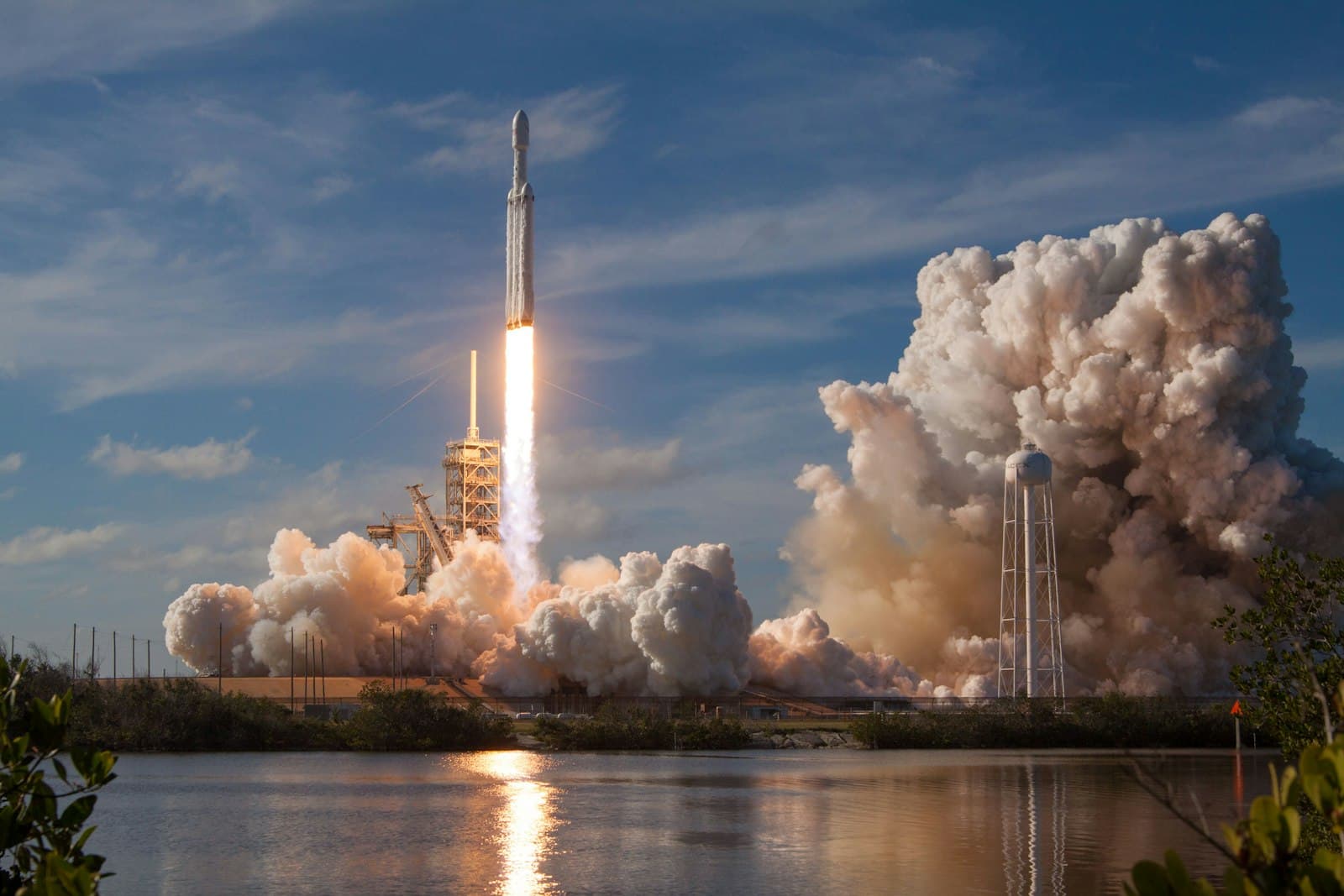
On June 12, SpaceX started trading on the Nasdaq under SPCX, and for one afternoon every group chat in America became an investment committee. Largest ever: $86 billion raised, a $1.77 trillion valuation at pricing. The rocket company was finally buyable, and the fear of missing the next Apple did what it always does.
No buy call here, and no don't-buy either. This is the part your feed skipped: what mechanically happened that day, because it's the single best live lesson in how IPOs actually work that anyone will get for years.
Who got $135, and who got $161
The was $135 a share. That price went almost entirely to institutions: banks, funds, and clients of the underwriters. When trading opened to everyone else, the first public trades printed around $150, and the day closed at $161, a 19% pop. If you bought on IPO day, you didn't buy the IPO. You bought from someone who did, at their markup. That gap between the offering price and your price has a whole guide of its own, and June 12 was the textbook running in real time.
The float and the calendar
Only about 5% of the company actually traded. Insiders agreed not to sell for 366 days, other early investors for 180. Which means the supply of SpaceX shares is scheduled to grow substantially, on dates anyone can look up, while first-day demand got one afternoon of maximum hype. Prices are set by supply and demand; one of those two is on a public calendar. Also worth knowing: buying SPCX gets you almost no say in anything, since one person retains 82% of the voting power through super-voting shares.
The boring plot twist
If SpaceX earns its way into the big indexes, the most retirement accounts hold will buy it automatically, at whatever the fair-ish market price is then, and you'll own your slice without lifting a finger or paying the hype tax. That's not a thrilling sentence. It wasn't designed to be. Index funds never are.
Rooting for the rockets costs nothing. If you also want to own a piece, know which price you're actually being offered, who's selling in six months, and whether a single exciting stock belongs in the plan you already have. Excitement is free. Concentration isn't.
Want more like this?
The blog is the fun stuff; the substance lives in the library. And if there's a money thing you want us to write about, ask for it anonymously.
Next up on the blog
The Lipstick Effect: Small Comforts in a Locked-Out Economy
When the house feels impossible, the $9 treat feels like the only vote you get.
5 min read