Real talkJuly 13, 2026
The Lipstick Effect: Small Comforts in a Locked-Out Economy
When the house feels impossible, the $9 treat feels like the only vote you get.
By Shinjoo, founder5 min read
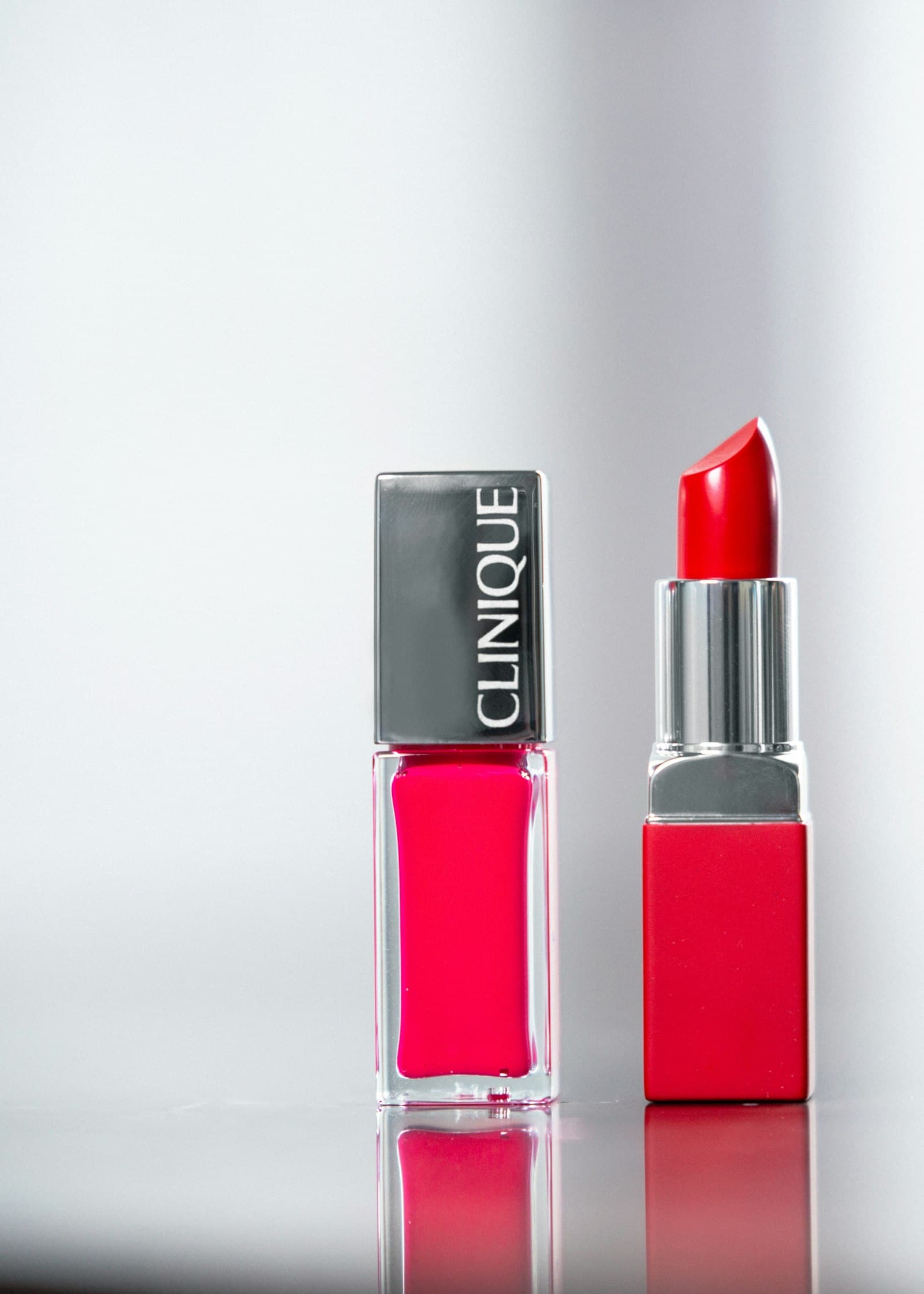
In 2001, with the economy sinking, Estée Lauder's chairman Leonard Lauder noticed something odd: lipstick sales were climbing. People who had stopped buying coats and handbags were still buying a $10 tube of confidence. He called it the lipstick index, and economists have argued about the data ever since. But the feeling underneath it never needed proving. When the big things go wrong, small nice things start doing a job they were never designed for.
Twenty-five years later the lipstick is an iced coffee, a phone case, a $12 candle, a skin serum someone on your feed swears by. The product changed. The purchase didn't. It's still the cheapest available unit of feeling okay.
Why small purchases feel so good right now
Psychologists have a few names for the pieces of this. Retail therapy is real in the narrow sense: buying something produces a short, measurable lift in mood and, more importantly, a feeling of control. You chose it. You could afford it. It arrived. In a week where rent went up and the news was bad and your manager was worse, that tiny completed transaction might be the only loop that closed.
Now add the context. For a lot of people under 35, the traditional milestones have drifted out of reach on any realistic timeline. A starter home costs six figures more than it did a few years ago. Retirement math assumes decades of contributions that makes lumpy. When the finish line moves that far away, the rational-feeling response is to stop running toward it and enjoy the water station. Why agonize over a $9 treat when skipping it for ten years still wouldn't make a ? That logic is seductive precisely because it's partly true.
Advertising figured this out before we did
Marketing used to sell products. Now it sells permission. "You deserve this." "Little luxuries." "Treat yourself" went from a sitcom joke to an entire retail category. The genius of it is that the pitch agrees with your feelings: things ARE hard, you DO work a lot, and this candle IS only $12. Every claim is true. The sleight of hand is what's missing: no single purchase is the problem, and no single purchase was ever going to be the comfort, either.
The delivery system got an upgrade too. The ad finds you at 11pm, already sad, already holding the device the checkout lives in. The card is saved. The friction is gone. Comfort is two taps away and the receipt goes somewhere you'll never look.
The honest math, without the lecture
Here's what this blog won't do: tell you the lattes are why you don't own a house. They aren't. That lecture is both mathematically weak and emotionally useless, and the people who give it usually got their down payment from somewhere they don't mention.
But drift is real. Small comfort spending is designed to be invisible, and invisible spending compounds: a few hundred dollars a month of it is real money, the kind that funds an emergency cushion or a jar with your actual goal on it. The problem was never the lipstick. It's that nobody decided anything.
Keep the comfort, take back the choice
- Put joy in the budget on purpose. A named amount for small pleasures, spent guilt-free, beats an unnamed leak you feel bad about. Needs vs. wants is the guilt-free version of this conversation.
- Make the invisible visible once. Track a month of spending, just to see what comfort currently costs. No judging, just data.
- Give the future a jar too. The reason the treat wins every time is that it's the only goal in the room. A savings jar with a name on it argues back.
- Notice the 11pm ads. You can't unsee the pattern once you look for it: the pitch always arrives when you're tired, sad, or scrolling. That's not a coincidence; that's the targeting working.
Buy the lipstick when you choose to. Just don't let a marketing department convince you it's the only future you can afford. It isn't, and the first $500 is closer than the ads want you to believe.
Want more like this?
The blog is the fun stuff; the substance lives in the library. And if there's a money thing you want us to write about, ask for it anonymously.
Next up on the blog
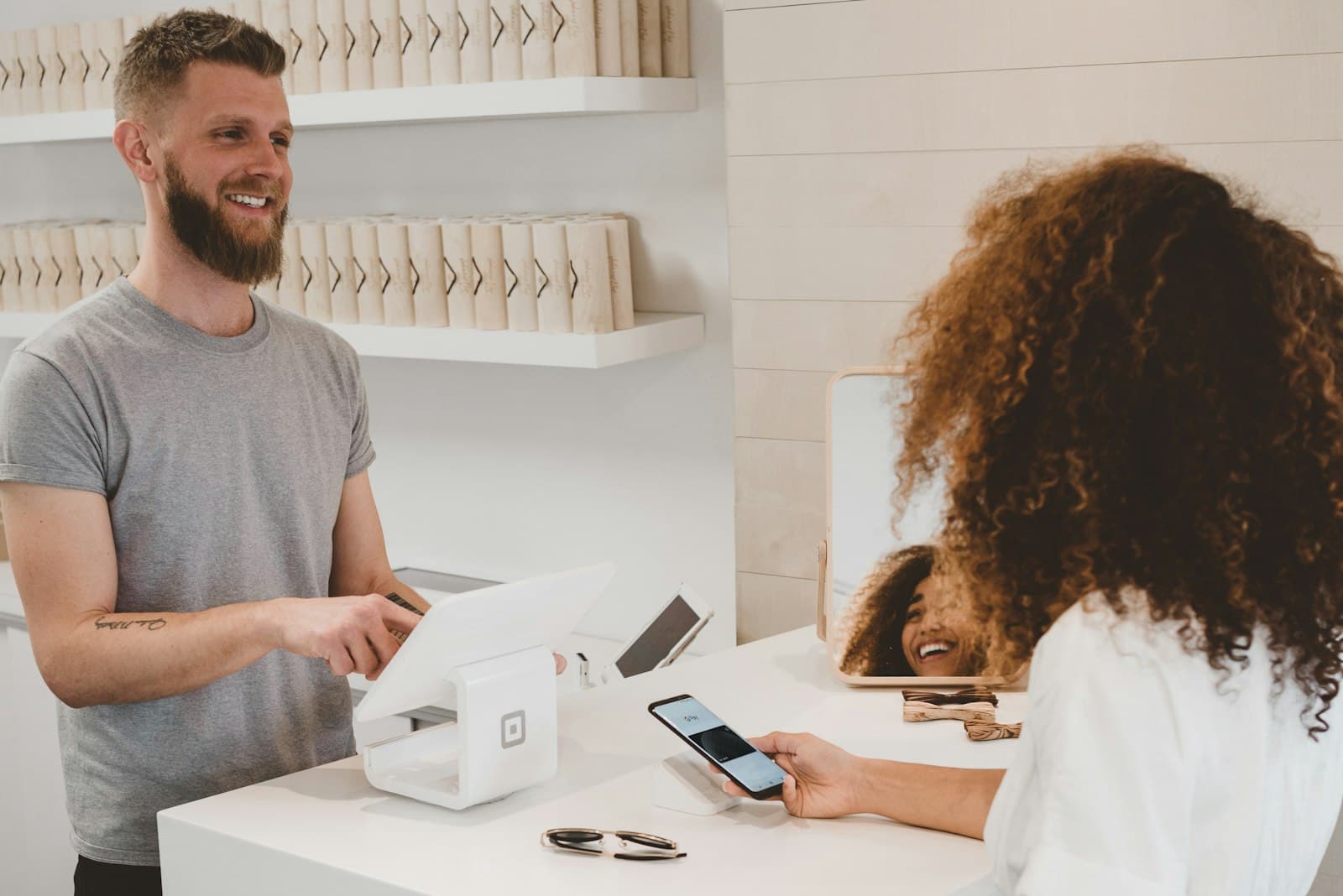
Why Tapping Your Phone Doesn't Feel Like Spending
Cash had a built-in ouch. We engineered it away, and the receipts show it.
4 min read