Real talkJune 7, 2026
It's Expensive to Be Broke
Terry Pratchett explained it with a pair of boots. Your bank explains it with a $35 fee.
By Shinjoo, founder4 min read
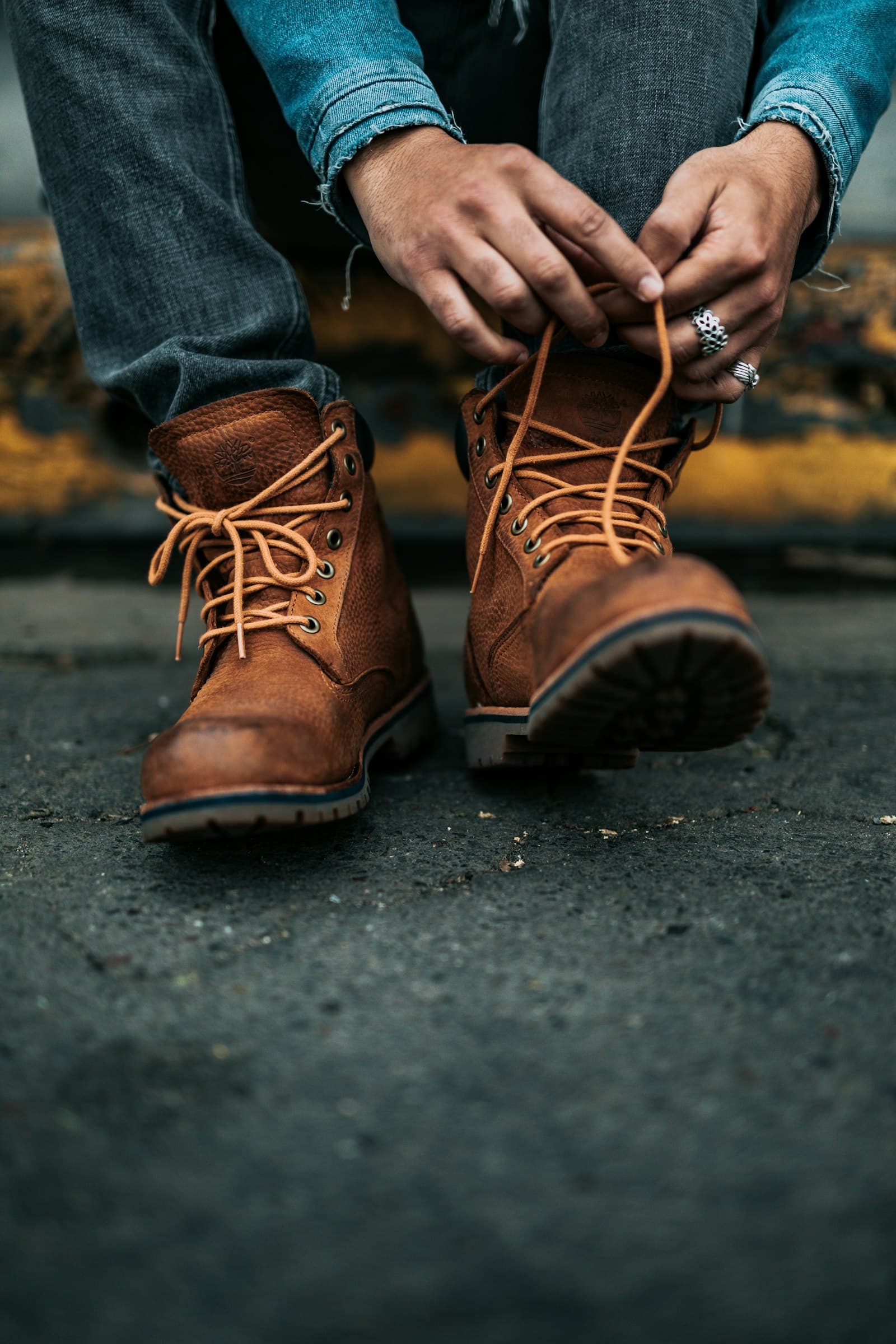
In Terry Pratchett's novel Men at Arms, a cynical street cop named Sam Vimes works out why the rich stay rich, and he does it with boots. Good boots cost fifty dollars and last for years and years. Cheap boots cost ten, leak by the second winter, and have to be replaced again and again. So the man who can afford good boots spends less on boots over a decade than the man who can't, and the man who can't still ends up with wet feet. Vimes calls it the "Boots" theory of socioeconomic unfairness, and it may be the sharpest economics lecture ever smuggled into a fantasy novel.
Swap the boots for almost anything and the theory holds. Being broke comes with a surcharge, and it gets billed everywhere at once.
The poverty , itemized
The is the purest specimen: a charge of $35 or so for the offense of having the least money, collected at the exact moment you have the least money. The person with a cushion never pays it. The person without one can pay it three times in a week, because the account was already scraping bottom when the charges landed.
The small pack is the boots theory at the grocery store. The big bottle is cheaper per load, per ounce, per everything, but it costs more today, and today is the only you have. Buying small is the rational move with $40 in the account, and it also means paying more, permanently, for the same detergent.
Then come the fees for not having a bank at all. Check-cashing storefronts take a slice of every paycheck just to turn it into money you can spend, a toll that people without bank accounts pay over and over for the privilege of being paid. Utilities and landlords demand deposits from exactly the people who can't spare them, having decided, often by , that they're the risky ones. And when the gap between paychecks won't close on its own, the payday loan is waiting: the most expensive money in America, priced precisely for people who are out of other options.
The appliances run the original script beat for beat. The used car that costs less up front and more every month it survives. The tires bought one at a time. The cheap fridge that dies in year three and takes a week of groceries with it. None of these are bad decisions. They're the only available decisions, and each one costs more over ten years than what somebody with cash up front would have paid.
The thing you're being charged for is slack
Line up every item on that list and the pattern is the same. The system charges for having no . The fees were never really about boots or detergent or checks; they're the price of having zero dollars between you and a surprise, and it's the one price that people who can afford everything never pay.
Which is why the first few hundred dollars of savings behave nothing like an investment and everything like a fee-cancellation machine. Five hundred dollars of slack earns no worth mentioning. What it does instead is quietly delete overdraft fees, absorb the deposit, buy the big bottle, walk past the payday storefront, and turn a dead fridge from a crisis into an errand. No has ever returned what the first $500 returns to somebody who had zero, and the starter fund sprint exists to get you exactly there. Not wealth. Slack.
Vimes never got a raise in that chapter, but he had the diagnosis right. The boots were never the problem; the being-unable-to-afford-the-good-boots was. Every dollar of slack you build is a fee somebody doesn't get to charge you anymore.
Want more like this?
The blog is the fun stuff; the substance lives in the library. And if there's a money thing you want us to write about, ask for it anonymously.
Next up on the blog
The Lipstick Effect: Small Comforts in a Locked-Out Economy
When the house feels impossible, the $9 treat feels like the only vote you get.
5 min read