NoticedJuly 10, 2026
Why Tapping Your Phone Doesn't Feel Like Spending
Cash had a built-in ouch. We engineered it away, and the receipts show it.
By Shinjoo, founder4 min read
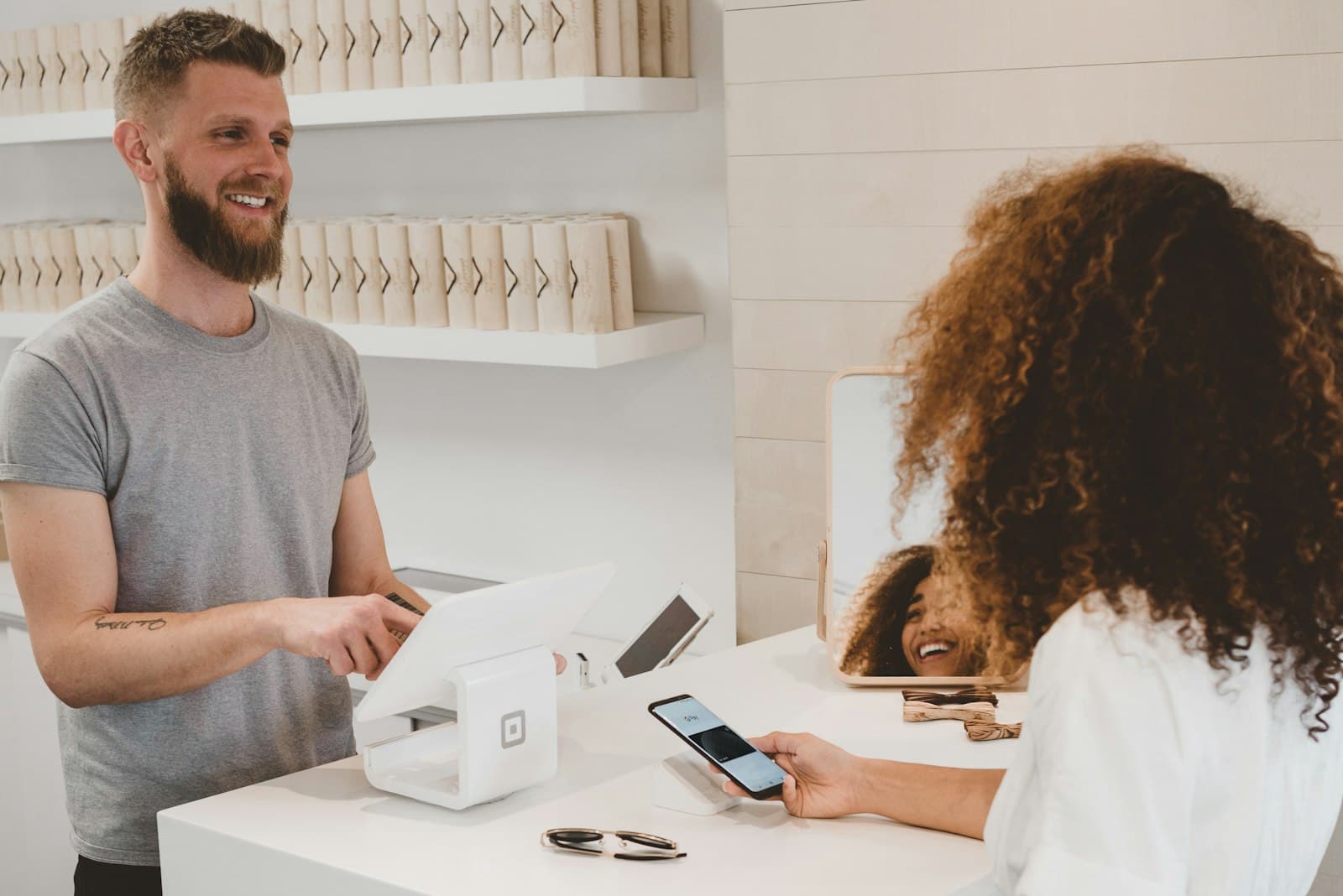
Handing over cash hurts a little. Researchers call it the pain of paying: watching physical money leave your hand registers, faintly, in the same brain regions as actual discomfort. That tiny ouch was never a bug. It was your built-in spending brake.
Then we spent thirty years engineering the ouch away. Cards hurt less than cash. Saved cards hurt less than swiped ones. One-click hurts less than checkout. Tap-to-pay barely registers as an event, and the watch is faster than the phone. Every step was sold as convenience, and every step was also, quietly, anesthesia.
Frictionless is a business model
Companies A/B-test checkout flows the way pit crews shave seconds, because the math is simple: every removed step recovers abandoned purchases, and abandoned purchases are usually the ones you'd have talked yourself out of. The purchases friction used to filter were disproportionately the regrettable ones. That's exactly why the friction had to go.
Subscriptions run the same play across time: pay once invisibly, forever. And the pay-later buttons at checkout split even the number into pieces too small to flinch at. (We wrote about why every app suddenly wants to lend you money; this is the same war on your flinch, different front.)
Reinstalling the ouch, gently
- Make the money visible again. Check your balance before you tap, not after. Ten seconds restores most of what the tap removed.
- Use a weekly cash experiment. One week of paying cash for everyday stuff is the cheapest psychology course available. Most people report it feels weirdly expensive. That's the accurate feeling.
- Turn on purchase notifications. The buzz after each charge is an artificial ouch, and it works. Your bank buries this setting; our banking guide covers the account hygiene around it.
- Review one statement a month, out loud if you have to. Tracking is just the ouch, relocated to where it can't be engineered away.
Convenience is genuinely good. Pay however you like. Just know that an entire industry works on making spending feel like nothing, and the feeling of nothing is not the same as it costing nothing.
Want more like this?
The blog is the fun stuff; the substance lives in the library. And if there's a money thing you want us to write about, ask for it anonymously.
Next up on the blog
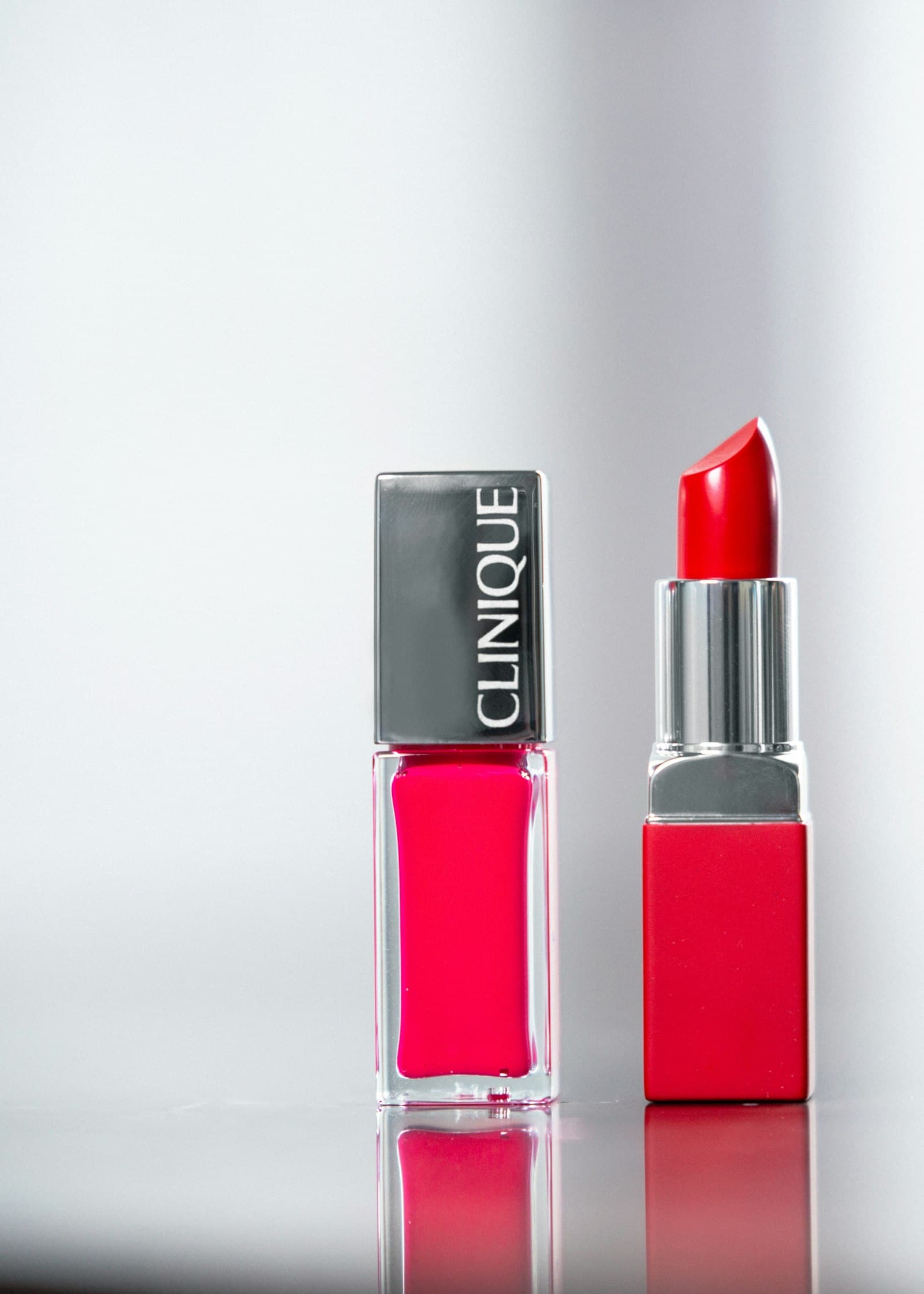
The Lipstick Effect: Small Comforts in a Locked-Out Economy
When the house feels impossible, the $9 treat feels like the only vote you get.
5 min read