Watch outJuly 10, 2026
The Sale Rack Is Lying to You (Politely)
How 'saving 40%' became the most expensive habit in America.
By Shinjoo, founder4 min read
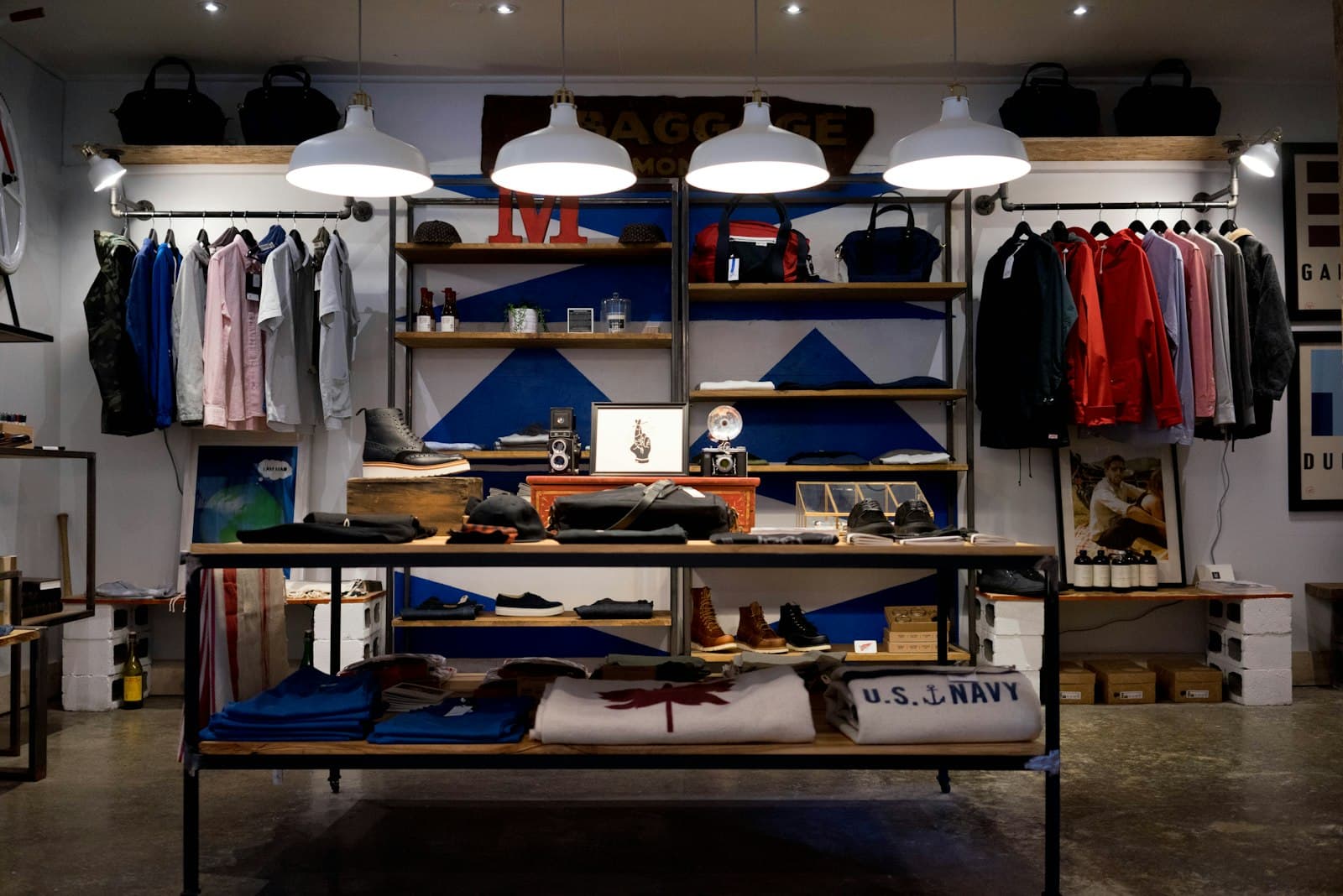
Nobody spends money quite like someone who thinks they're saving it. The sale rack, the strikethrough price, the countdown timer on the checkout page: these aren't information. They're a mood, manufactured to move your hand.
The anchor does the work
The crossed-out $80 next to the $48 price is called an anchor, and it works even when you know about it. Your brain evaluates the $48 relative to the $80, not relative to whether you wanted the thing at all. Some 'original' prices barely existed; plenty of items are manufactured for the outlet or born for the sale, with the anchor printed on the tag from day one.
Urgency is a costume
Only 3 left. Sale ends tonight. Someone in Dallas just bought this. Scarcity triggers a real instinct that served your ancestors well around actual scarce food, and serves a shoe website even better. The tell: real scarcity doesn't need a countdown clock, and the same clock is usually running again tomorrow.
You don't save money by spending it
The receipt says you saved $32. Your account says you spent $48. Only one of those numbers is real. The question that survives every discount is the same boring one: would you have bought this at this price with no sale sticker anywhere in sight? If yes, congratulations, genuinely. If no, the discount was the product.
- The 24-hour rule. If it's still worth it tomorrow, it was worth it. Real sales survive a day; manufactured urgency doesn't.
- Shop from a list, browse from curiosity, and know which one you're doing. Both are fine. Confusing them is where the money goes.
- Unsubscribe as self-defense. The 40%-off email exists to create wants on a schedule. Your inbox doesn't have to be a billboard.
- Count it where it lives. A month of honest tracking shows what 'saving' has been costing you.
None of this means never buy things on sale. It means the sale is a price, not a reason. The reason has to be yours.
Want more like this?
The blog is the fun stuff; the substance lives in the library. And if there's a money thing you want us to write about, ask for it anonymously.
Next up on the blog
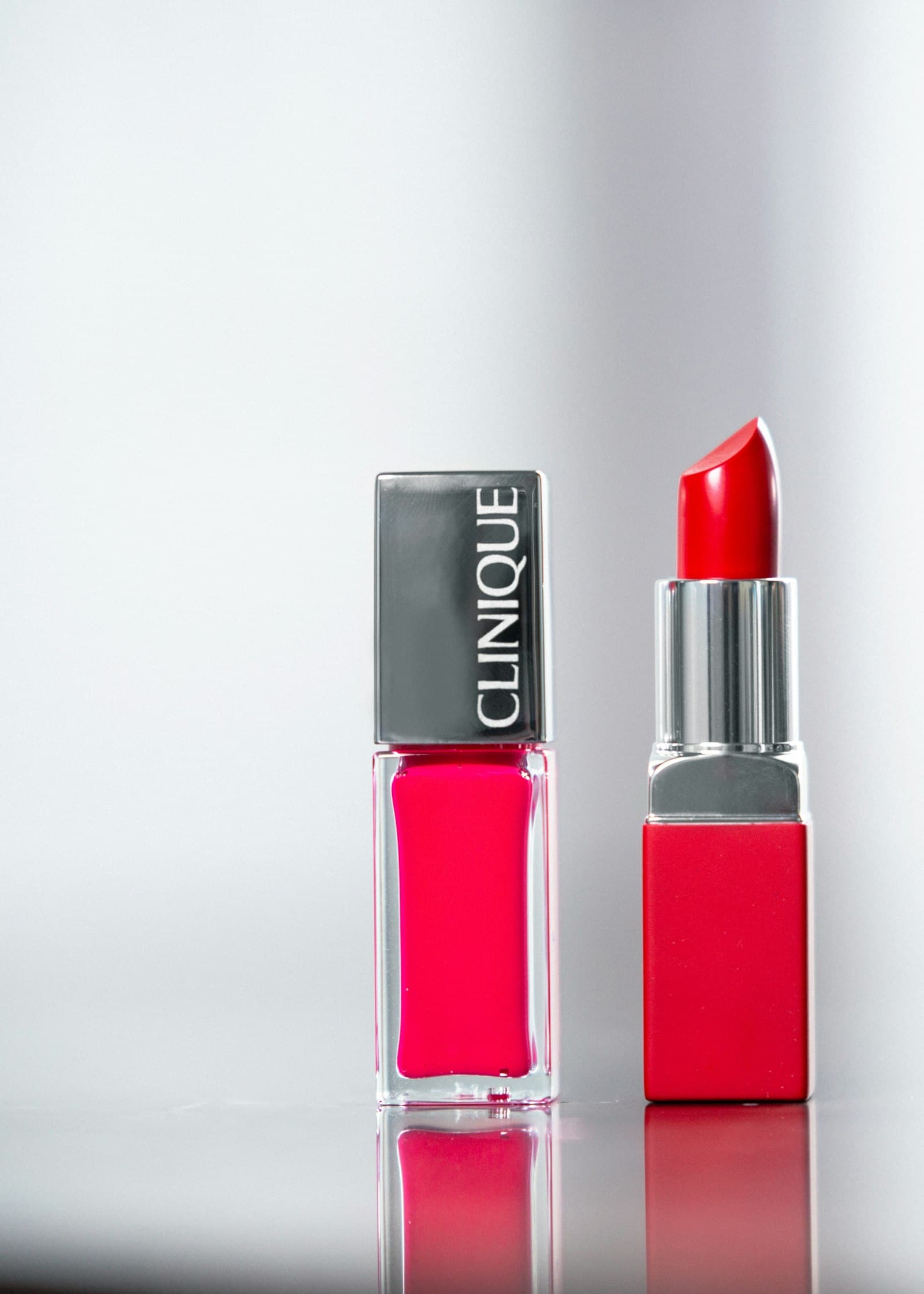
The Lipstick Effect: Small Comforts in a Locked-Out Economy
When the house feels impossible, the $9 treat feels like the only vote you get.
5 min read