NoticedJune 28, 2026
Cash Stuffing Is Back, and It Was Never Wrong
TikTok rediscovered a budgeting method older than the checking account. It went viral for a reason.
By Shinjoo, founder4 min read
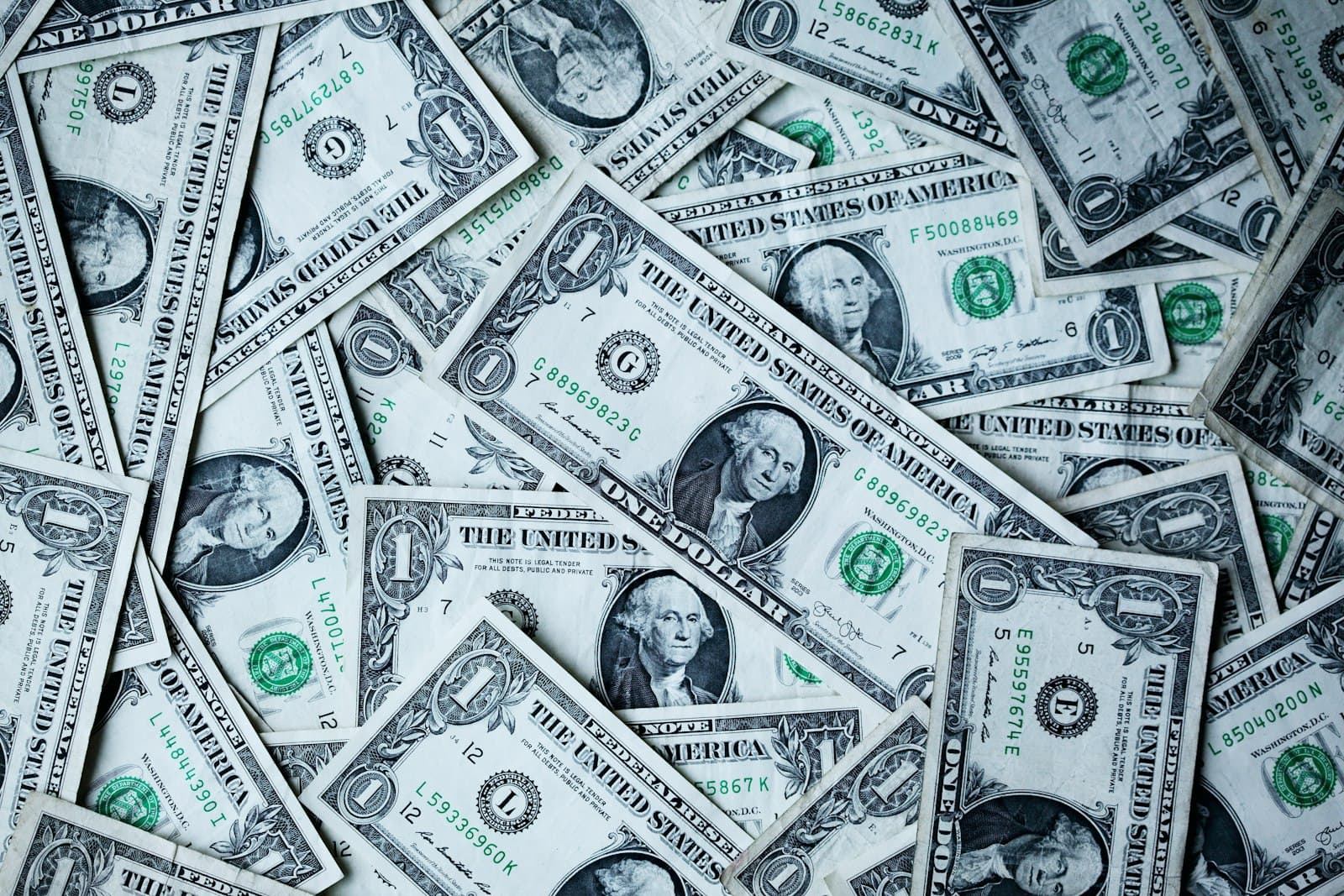
Somewhere on TikTok right now, a pair of hands with immaculate nails is dealing crisp twenties into pastel laminated envelopes labeled GAS, GROCERIES, and FUN. The video has a few million views. The method is older than the creator's grandmother.
Cash stuffing is the envelope system: withdraw your spending money in cash at the start of the month, divide it into envelopes by category, and when an envelope is empty, that category is done spending. No app, no spreadsheet, no gray area. Depression-era households ran on it, and so did plenty of immigrant kitchens with an envelope taped inside a cabinet door.
Why an old method went viral
Because it fixes the exact thing modern payment tech broke. Tapping a phone doesn't feel like spending; we've written about why the tap doesn't hurt, and cash stuffing is the same insight run in reverse. Handing over physical bills stings a little, and watching an envelope get thinner is a you can feel in your fingers. The method makes money physical again, in an economy that spent thirty years making it abstract.
It also gets the hard part of budgeting right: the decision happens once, at the start of the month, when you're calm. The envelope enforces it later, when you're tired at a checkout. Every budgeting method that works does some version of this; cash does it with zero interface.
Where it falls apart
Rent doesn't want an envelope. Neither does the phone bill, the streaming stack, or anything on ; the biggest lines in your budget are digital whether you like it or not. Cash also earns nothing sitting in a binder, and unlike a bank balance, it isn't against fire, theft, or a roommate's bad month. A binder holding a month of spending money is a real loss risk that a simply isn't. And there's a practical ceiling: some landlords and most of the internet won't take bills at all.
The hybrid most people land on
Keep the fixed, boring bills digital and on autopay. Then take the categories where you actually overspend (food, fun, the mall) and give them hard limits: paper envelopes if the physical sting helps you, digital ones if it doesn't. Our savings jars tool is the envelope idea without the binder: named amounts, visible balances, an obvious moment when a jar runs dry.
Cash stuffing is one member of a bigger family, and the budgeting methods guide lines envelopes up against and zero-based budgeting so you can pick by personality rather than by trend.
The kids with the laminated envelopes aren't being naive. They noticed that the frictionless economy was engineered to be easy to spend in, and they added the friction back by hand. You don't need the pastel binder. You need the part where the money is visible and the limit is real, and however you get that is correct.
Want more like this?
The blog is the fun stuff; the substance lives in the library. And if there's a money thing you want us to write about, ask for it anonymously.
Next up on the blog
The Lipstick Effect: Small Comforts in a Locked-Out Economy
When the house feels impossible, the $9 treat feels like the only vote you get.
5 min read