NoticedJune 3, 2026
Everything Is Surge-Priced Now
Dynamic pricing escaped the rideshare app. Your best defenses are older than the algorithm.
By Shinjoo, founder4 min read
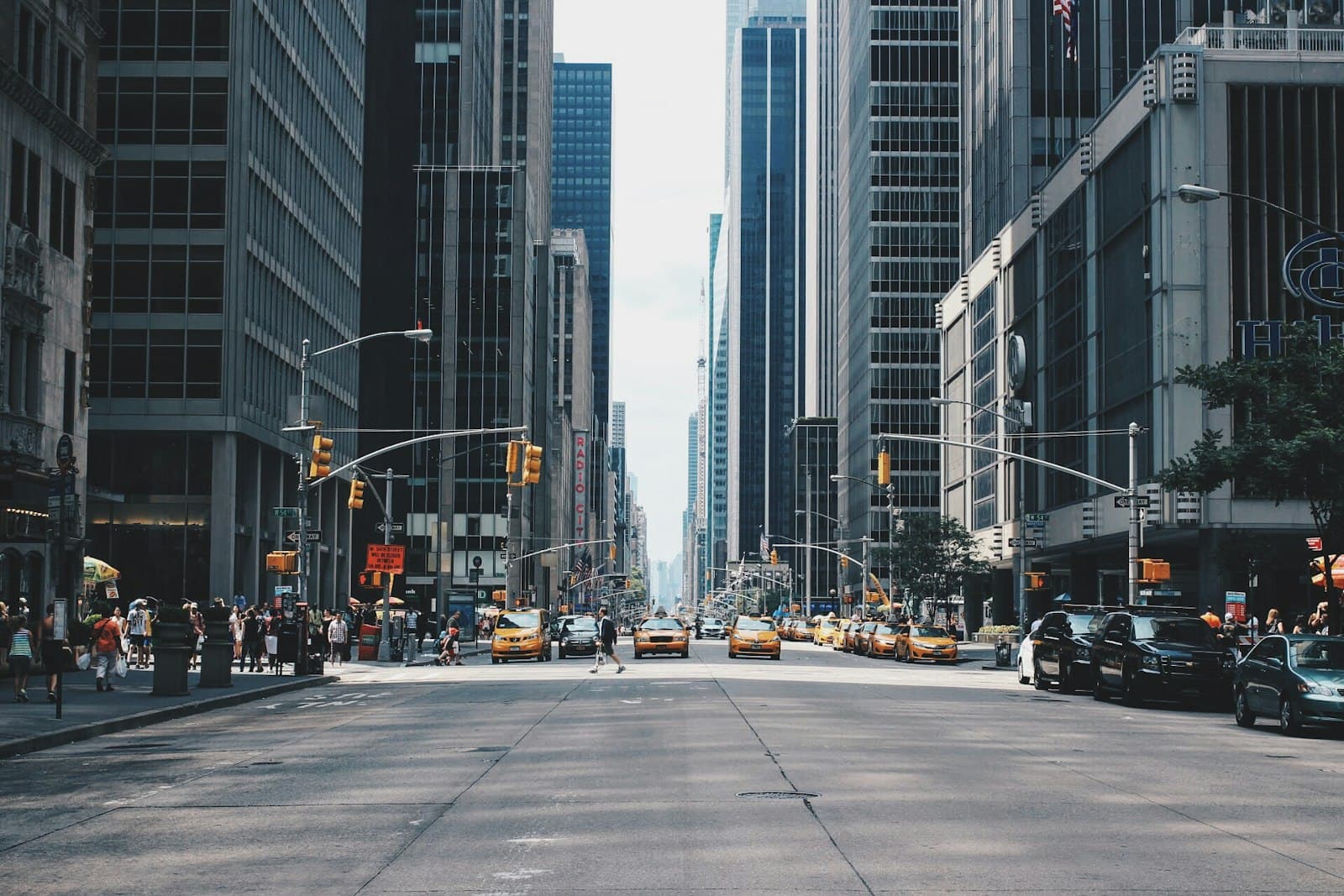
Surge pricing used to live in one place. It rained, the little map turned red, your ride home cost 2.1x, and you grumbled about it in the group chat. That was the deal: one app, one gimmick, clearly labeled.
The gimmick got out. Concert tickets now climb while you sit in the queue, repriced as "official platinum" the moment demand shows up. Delivery fees flex with the dinner rush. Airlines have repriced by the hour since before you were born; they were the prototype. And grocery chains are rolling out electronic shelf labels, which today mostly save an employee a night of sticker-swapping, and which also mean the price of chicken can now change between the parking lot and aisle five. The stores insist they won't use it that way. The point is that the question has become one of restraint rather than capability.
Why companies love it
A fixed price leaves money on the table, from the seller's point of view. Some customers would have paid more; the tag let them keep the difference. Dynamic pricing is an instrument for finding each buyer's personal maximum and charging exactly that. Economists call the family of techniques price discrimination, a neutral term for a simple ambition: nobody ever pays less than the most they would have agreed to.
What feeds the instrument is data: the time of day, the demand around you, your booking history, your loyalty account, how many times you've opened the app to look at the same flight. Companies mostly insist they price the market, never the person. Maybe so. From your side of the screen, the two are indistinguishable, and there's no receipt line that says what the price would have been for someone else.
Defenses that don't require a spreadsheet
- Set alerts and let a robot do the watching. Price alerts on flights and tickets flip the surveillance around: instead of the algorithm studying your urgency, a tool studies the price and calls you when it dips.
- Treat patience as leverage. Surge pricing is a tax on urgency, and most urgency is optional. The red map fades in twenty minutes. The queue re-opens. If you can wait, you become the one customer the algorithm has no grip on.
- Know your walk-away number before you look. Decide what the ticket or the flight is worth to you, in advance, based on what your life actually costs. The sale rack uses a fake anchor to pull you up; a real number you chose in daylight anchors you back.
There's no opting out of dynamic pricing; it's the water now. But the machine has one dependency it can't engineer away: it can only find your maximum if you never decided one. Walk in with a number, and the surge stops being a lever on you and goes back to being weather.
Want more like this?
The blog is the fun stuff; the substance lives in the library. And if there's a money thing you want us to write about, ask for it anonymously.

Next up on the blog
The Lipstick Effect: Small Comforts in a Locked-Out Economy
When the house feels impossible, the $9 treat feels like the only vote you get.
5 min read