NoticedJune 3, 2026
The Tablet Will Ask You a Question
Tipping screens turned checkout into a small social experiment. You're allowed to walk in with answers.
By Shinjoo, founder4 min read
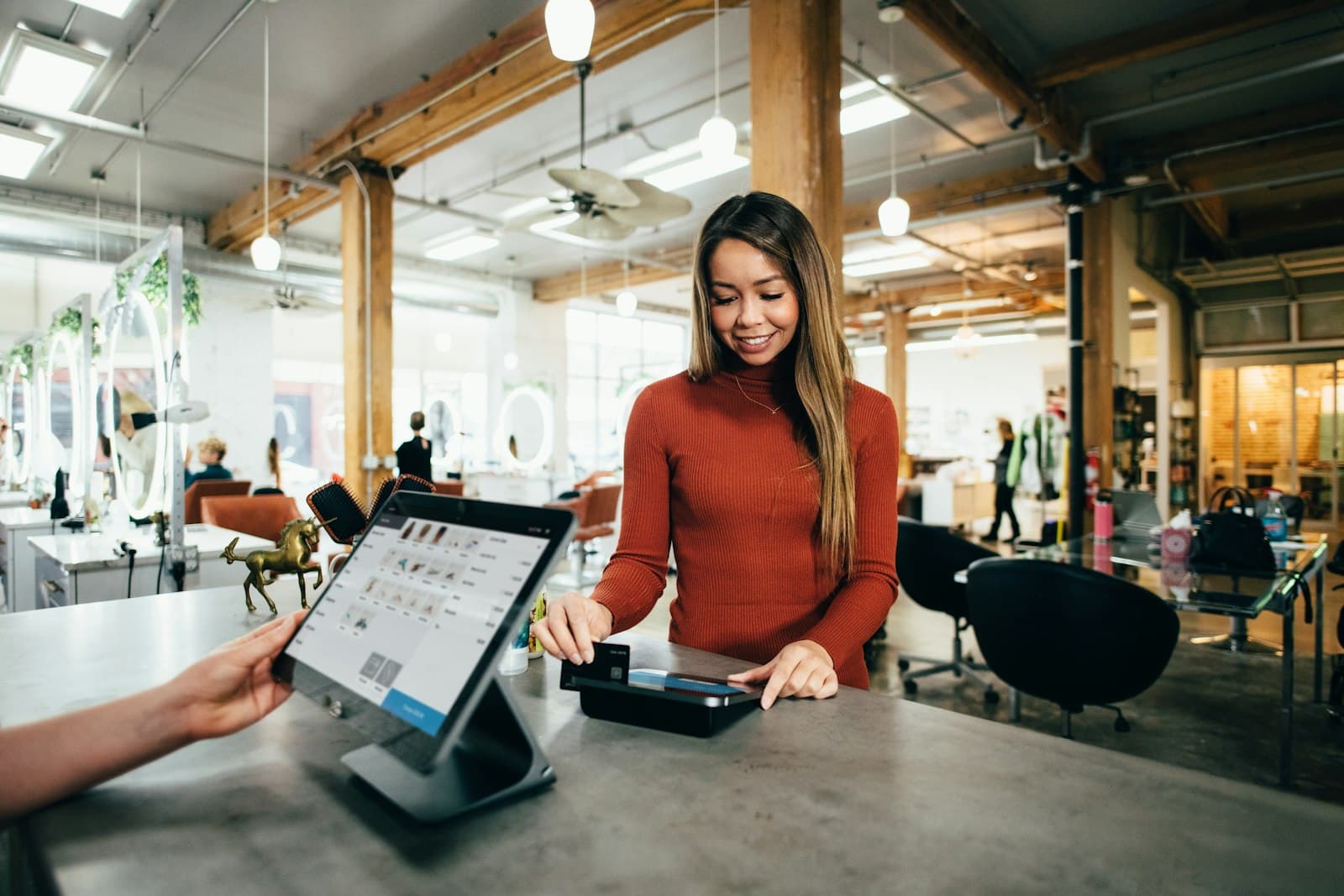
You order an iced coffee. The barista taps the register twice, and then it happens: the tablet swivels on its little stand to face you, the line stacks up behind you, the barista assumes an expression of professional neutrality, and three glowing buttons offer 20%, 25%, and 30% on a transaction that involved no table, no refills, and roughly eleven seconds of interaction. Below them, smaller, a custom option. Below that, smallest of all, a no-tip button styled to feel like a confession.
The flipped iPad is one of the great quiet social experiments of the decade, run millions of times a day. It works, and it's worth understanding exactly how.
The buttons are doing the negotiating
Those presets are anchors, the same mechanism as the crossed-out price on the sale rack. Before the screen turned, you might have been thinking a dollar in the jar. The screen does not offer a dollar in the jar. It offers 20, 25, 30, and once you're choosing among them, the question has changed from "do I tip for this?" to "which of these three tippers am I?" Picking the smallest preset now registers as a small failure, which is a remarkable trick, because the smallest preset is often double what the jar used to get.
And the design leans on the one asset a checkout counter has that a website doesn't: a human being, watching, with a line behind you. The guilt is not a side effect of the tip screen. The guilt is the feature. These flows get tested and tuned like everything else you tap, and the version that makes you feel observed is the version that ships. It's the same industry that spent decades making the payment itself feel like nothing, now making the tip feel like everything.
Why it's spreading to places tips never lived
The prompt has marched from coffee counters to bakeries to merch tables to self-checkout kiosks, which is a genuinely avant-garde development: a tip requested for service performed by you, payable to a machine. The economics explain the spread. A tip prompt costs the business nothing to display, and every dollar it extracts is compensation the payroll didn't have to cover. Expect the question anywhere a screen stands between you and a receipt.
Where the money goes
Honestly: it varies. US federal law says tips belong to workers, and an employer generally can't pocket them. But between the screen and a paycheck sits a lot of plumbing. Some counters pool tips across a shift, some split by hours worked, digital tips can land on payroll weeks later, and at an unstaffed kiosk the line between "tip" and "revenue" gets blurry in ways nobody prints on the screen. If it matters to you, ask the person at the counter whether the tips reach them. They'll tell you, and their face will tell you first.
Kind rules for the screen age
- Tip service humans well. The server, the barber, the delivery driver, the barista who made you an actual thing. Tipped workers' base pay is built assuming the tip arrives; that part of the deal hasn't changed.
- Feel zero guilt at a kiosk. A machine cannot be stiffed. You bagged the groceries. The service was yours.
- Decide your defaults before the screen does. A counter-coffee number, a sit-down number, a delivery number, chosen at home, calmly, once. Then the tablet is just displaying options you already priced. A month of tracking will show you what your current under-pressure defaults have been costing.
- Custom is a real button. Using it in front of a line is allowed. Nobody behind you is grading as hard as the screen wants you to think.
The tablet is going to keep asking; that's fine. The screen gets to pose the question. It doesn't get to write your answer while an audience watches, unless you show up without one.
Want more like this?
The blog is the fun stuff; the substance lives in the library. And if there's a money thing you want us to write about, ask for it anonymously.
Next up on the blog
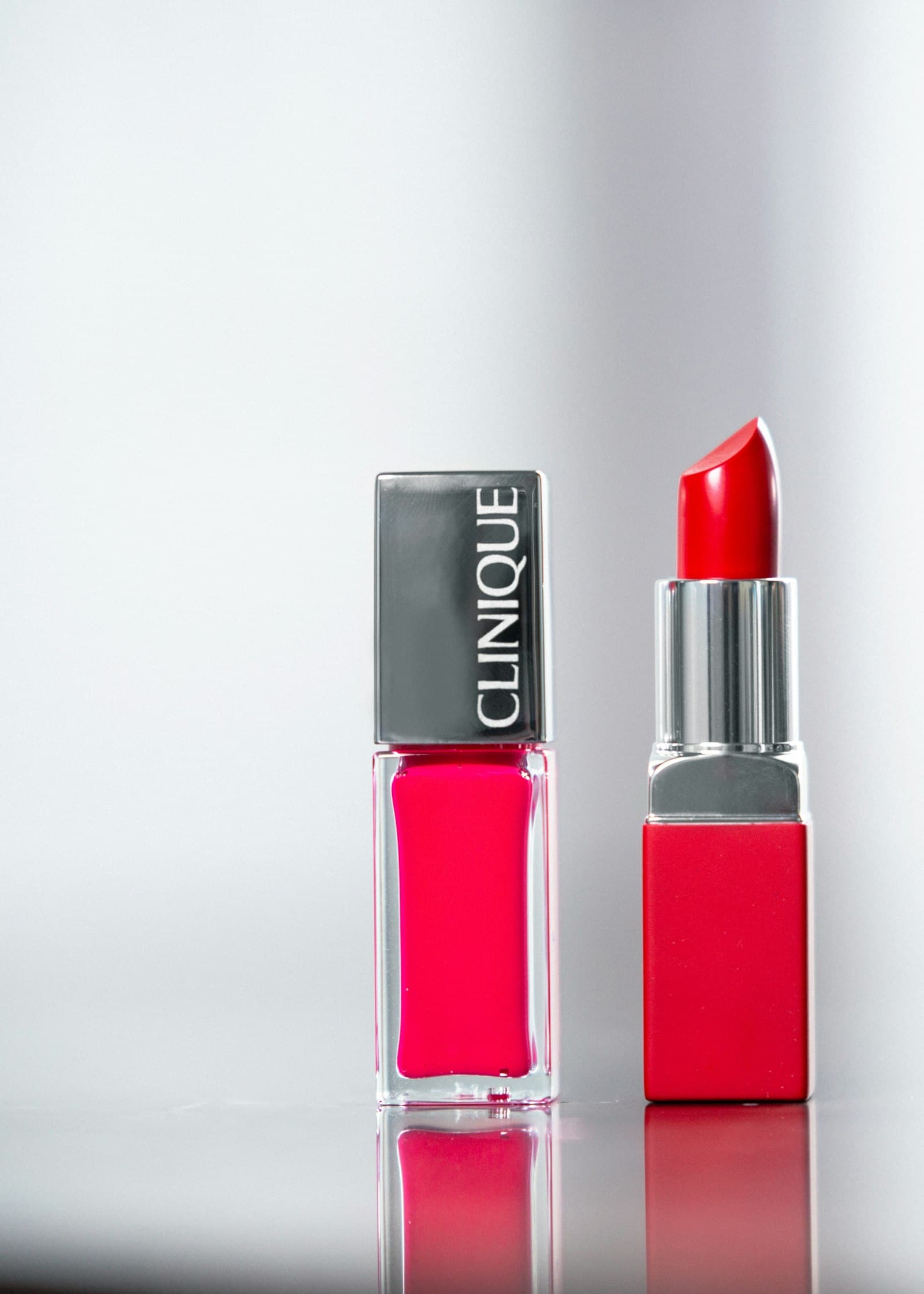
The Lipstick Effect: Small Comforts in a Locked-Out Economy
When the house feels impossible, the $9 treat feels like the only vote you get.
5 min read